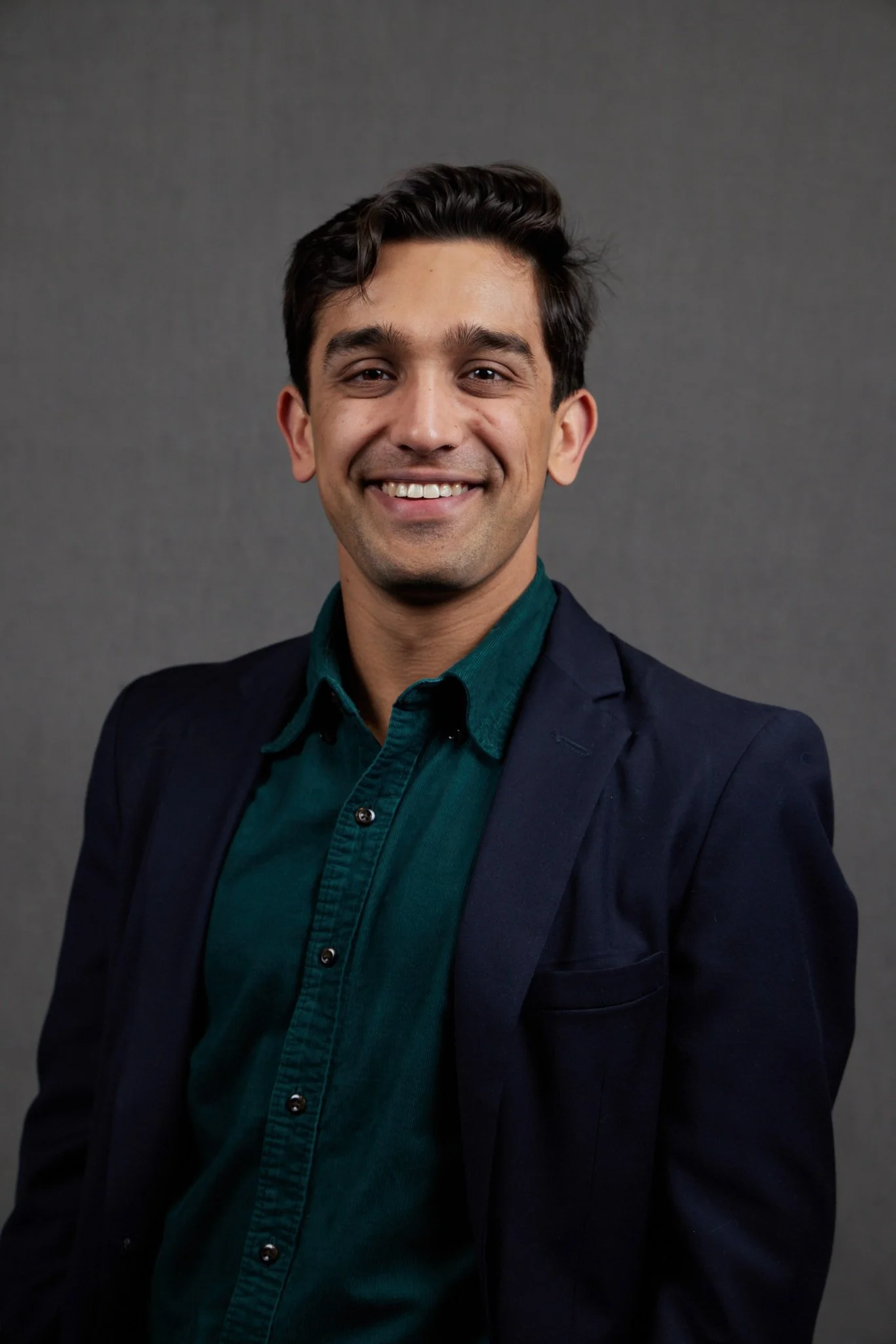
About Dr. Rahangdale
Aneesh Rahangdale, MD, is the founder of Rahangdale Psychiatry PLLC, providing thoughtful, evidence-informed psychiatric care for adults in Massachusetts, with a particular focus on adult ADHD evaluation and treatment, medication management, anxiety, depression, sleep difficulties, and life transitions.
Dr. Rahangdale believes that effective psychiatric care begins with listening guided by cultural humility. He approaches each patient as a whole person rather than a diagnosis, recognizing that mental health is shaped by biological, psychological, social, cultural, and environmental factors. His goal is to create a respectful, collaborative space where patients feel heard, understood, and empowered to participate in decisions about their care. He recognizes that every patient brings a unique background, set of experiences, values, identities, strengths, and challenges to treatment. Rather than relying on a one-size-fits-all approach, he works to understand each individual’s story and tailor recommendations to their specific needs, goals, and circumstances for meaningful improvements in their quality of life.
He completed medical school at the University of North Carolina School of Medicine, where he was inducted into the Gold Humanism Honor Society in recognition of compassionate, patient-centered care. He completed psychiatry residency at the University of Central Florida and serves as a Child and Adolescent Psychiatry Fellow at Boston Children’s Hospital and a clinical fellow at Harvard Medical School.
In addition to his clinical work, Dr. Rahangdale has a strong interest in psychiatric innovation and staying at the forefront of developments in medicine, neuroscience, and technology. His academic work has included research and scholarship in ADHD, neuromodulation, psychiatric ethics, innovation, and systems of care. He has published peer-reviewed work on ethical frameworks for the use of artificial intelligence in psychiatry and has explored emerging neuromodulation approaches, including transcranial magnetic stimulation (TMS) and electroconvulsive therapy (ECT), as part of his broader interest in advancing evidence-based mental health care. He believes that new technologies hold significant promise for improving patient outcomes when implemented thoughtfully, ethically, and with a continued focus on the human relationship at the center of psychiatric treatment.
Dr. Rahangdale has published in peer-reviewed journals including BMC Psychiatry and serves in national psychiatric editorial leadership with the American Journal of Psychiatry Residents’ Journal. He was also selected as an American Psychiatric Association SAMHSA Fellow, with work focused on improving behavioral health outcomes for underserved and minority, underserved, and rural communities. He also serves as the CEO and founder of the Tallahassee Youth Mental Health Collective, a nonprofit dedicated to improving mental health in the Big Bend Area.
Whether helping someone better understand longstanding attention difficulties, navigate a period of anxiety or depression, or work through a major life transition, Dr. Rahangdale aims to provide care that is practical, evidence-informed, and aligned with what matters most to the patient. He values transparency, shared decision-making, and building a therapeutic relationship based on trust, respect, and curiosity.
Training & Education
Child and Adolescent Psychiatry Fellowship: Boston Children’s Hospital / Harvard Medical School
Psychiatry Residency: University of Central Florida / HCA Florida Capital Hospital
Doctor of Medicine: University of North Carolina School of Medicine
Bachelor of Arts, magna cum laude, Phi Beta Kappa: Georgetown University
Clinical Interests
Adult ADHD evaluation and treatment
Medication management
Anxiety, depression, and mood disorders
Medical and psychiatric comorbidites, such as fibromyalgia
Sleep difficulties
Life transitions and stress
Psychotherapy-informed psychiatric care
Culturally responsive and patient-centered psychiatric care
Mental health innovation and systems of care
Artificial intelligence and emerging technologies in psychiatry
Neuromodulation, including transcranial magnetic stimulation (TMS) and electroconvulsive therapy (ECT)
Ethics of psychiatric innovation and digital mental health tools
Scholarly Activity
Published Peer-Reviewed First Author Works:
1. Aneesh Rahangdale, Jonathan Schildkraut, Christopher Wadsworth. ONRAMP-AI-VRAR: an operational protocol for ethics and governance of AI-enabled immersive psychotherapy.BMC Psychiatry. 25:1145 (2025). https://doi.org/10.1186/s12888-025-07557-x
2. Aneesh Rahangdale, Jeffrey Ferraro. Assessing comorbid PTSD, depression, and anxiety in fibromyalgia patients: a retrospective observational study. BMC Psychiatry. 25:444 (2025). https://doi.org/10.1186/s12888-025-06708-4
3. Aneesh Rahangdale, Jeffrey Ferraro. Electroconvulsive therapy (ECT) and psychiatric rehospitalization rates: a retrospective study. BMC Psychiatry 24:753 (2024). https://doi.org/10.1186/s12888-024-06211-2
4. Aneesh Rahangdale, Kateryna Kurako. Basilar artery fenestration in a migraine patient. Clinical Case Reports 12:e9107 (2024). https://doi.org/10.1002/ccr3.9107
5. Aneesh Rahangdale, Elise Fernandez, Douglas S. Weinberg, David Fleischman. Investigating optic nerve sheath diameter in prone position spinal surgery patients: a pilot study. Journal of Ophthalmic and Vision Research 19:347–353 (2024). https://doi.org/10.18502/jovr.v19i3.13863
Google Scholar Page: https://scholar.google.com/citations?user=GOaLiKUAAAAJ&hl=en